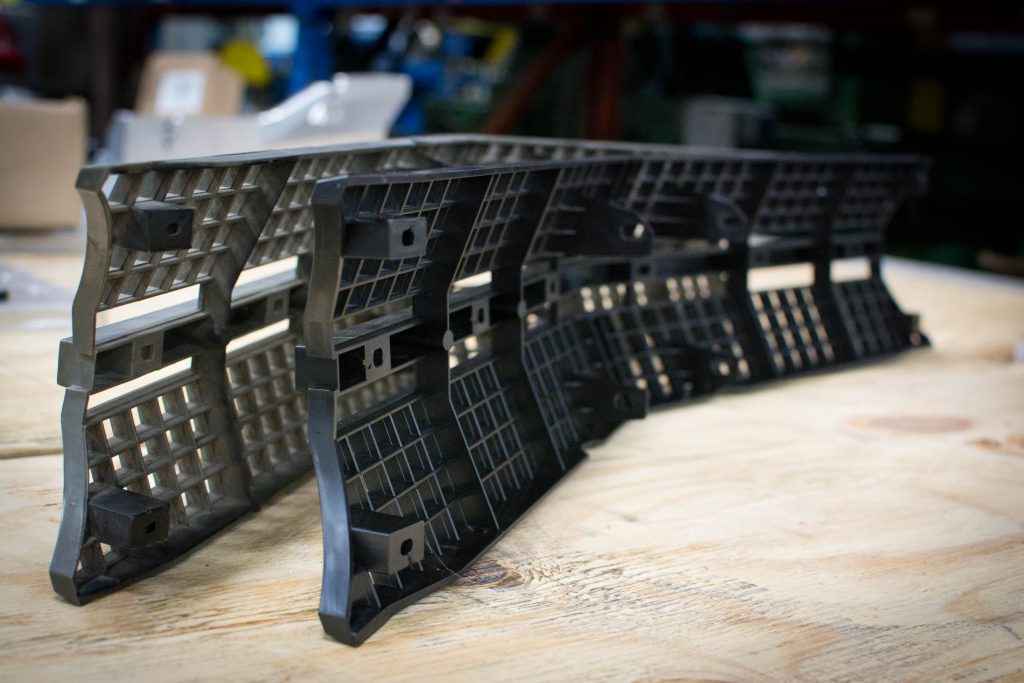
Case Study: Torino Grille
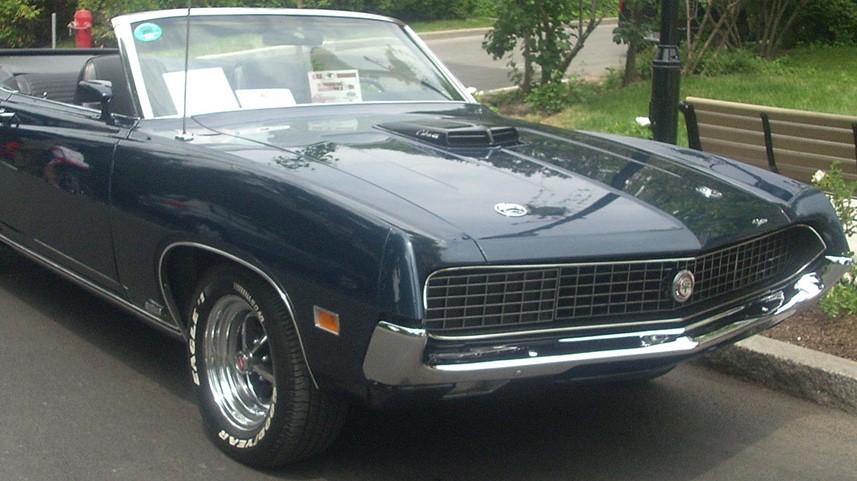
The business of reproducing vintage car parts can be a tricky one. Classic car enthusiasts tend to dissect every little detail and expect it to be functional and maintain the same classic aesthetic. Fortunately, we managed to recreate a Ford Torino grille and we made it better.
We had a company that sells vintage Ford parts come to us with an early 70’s Torino grille.
They had mentioned to us there had already been a failed attempt. In the initial conversations, we did some research on the market size, what these could sell for, how many our customer thought they could sell, to see if building a mold was even an option. Could the sales justify the tooling costs? The numbers looked so.
They had one of the few surviving parts from old stock and we 3D scanned it to determine what we could do on our end. Through the scan we managed to see how it was originally manufactured, where the parting line was, the ejection, gating, etc.
Since the part was large the tool was going to be expensive, but we noticed that if we moved the parting line we could save some money in the process.
The only consequence that came with moving the parting line was a slight thickening in the front ribs. This would make the grille more resistant to damage from rocks and debris. The customer decided our recommendations were good and went with them in an effort to keep costs down.
When the company took the new parts to market the reception was very positive. Of course, there will always be people who insist nothing is as good as the original. However, 80% enjoyed the benefit from being able to drive their cars on most roads without worrying about cracking their grille.
The scan was even good enough to replicate the stamping on the inside. It ended up looking exactly like the stamping from the original tooling.
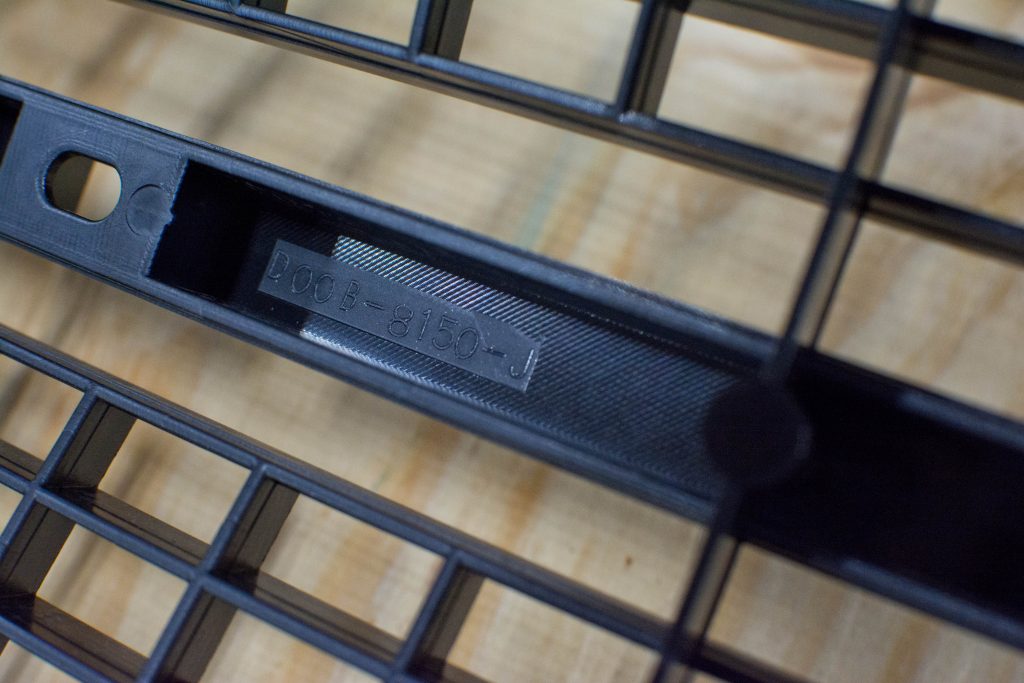
Aside from the ribs being a little thicker, you can’t tell the difference from the NOS part.