Fix this First: Glass Filled Plastics
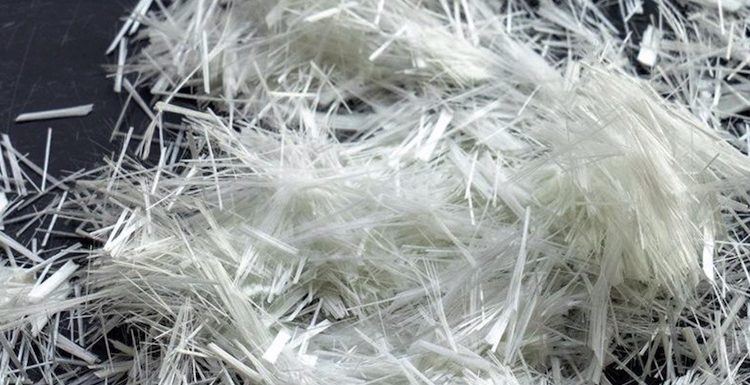
To Glass Fill or Not to Glass Fill?
Glass-filled resins sound impressive on paper. Higher stiffness. Better strength. Improved temperature resistance. For many engineers, adding glass fiber feels like an easy way to “upgrade” a part.
But before you specify glass-filled material, it’s worth asking a simple question: Do you actually need it? Because once glass enters the picture, so do tradeoffs.

Tooling Wear Adds Up
Glass-filled materials are abrasive. Those fibers don’t just reinforce your part—they slowly eat away at your mold. If you’re running high volumes in hardened steel tooling, that wear may be manageable and expected. But if you’re building an aluminum tool for low- to mid-volume production, glass fill can significantly shorten tool life.
That often means one of two things: You accept faster wear and future repair costs, or You upgrade to steel tooling upfront. Steel tools cost more. So now a material decision has directly increased your tooling investment. For some products, that makes sense. For others, it’s unnecessary.
Part Warp Gets More Complicated
Glass fibers improve stiffness—but they also introduce warp. The fibers tend to align with flow direction, which can cause unpredictable warpage. Flat parts become less flat. Long ribs pull. Clips don’t behave the way you expected.
To manage this, you may need mold flow analysis. That’s additional engineering time and additional cost. Again—sometimes it’s justified. But if a well-designed unfilled resin would perform adequately, you’ve added complexity without adding value.
If your part requires vibration welding, hot plate welding, or any kind of plastic-to-plastic seal, glass fill can complicate things. Glass fibers don’t melt. They interrupt the melt interface. Depending on your sealing requirements, this can:
- Reduce weld strength
- Create leak paths
- Require higher energy input
- Increase cycle time
If the part must be watertight or airtight, this becomes a serious consideration. You may end up redesigning the joint geometry just to accommodate the material choice.
Questions to Ask
Before committing to glass-filled material, ask:
- What load is the part actually seeing?
- Could geometry changes achieve the same stiffness?
- Does the added tooling cost make sense at this volume?
- Will this part need to be welded or sealed later?
Material choice affects tooling, cost, performance, and downstream processes. Make sure it’s solving a real problem—not just adding fibers because it feels safer.